 |
|
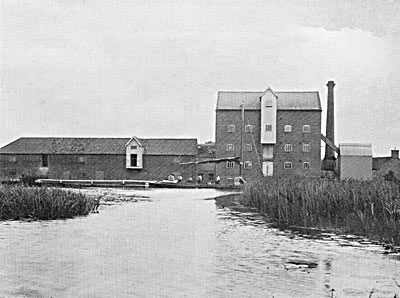
1910
|
|
Ebridge Mill
River Ant (North Walsham & Dilham Canal) |
|
|
1910
|
|
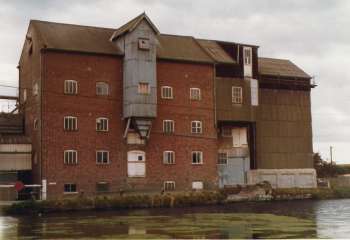
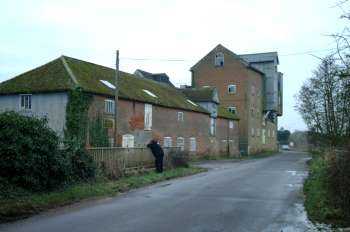
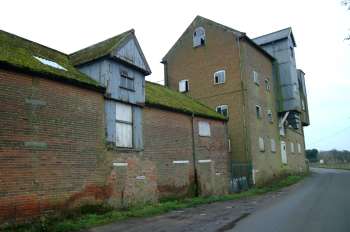
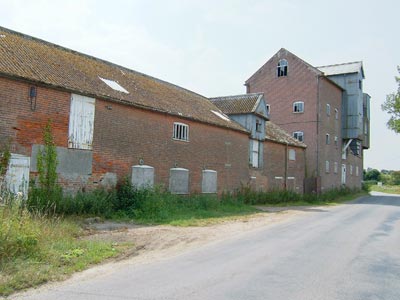
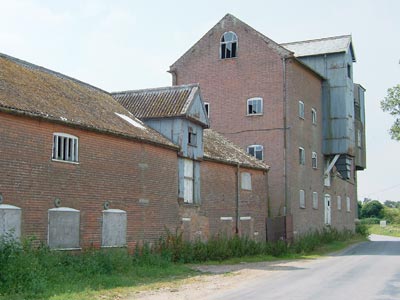
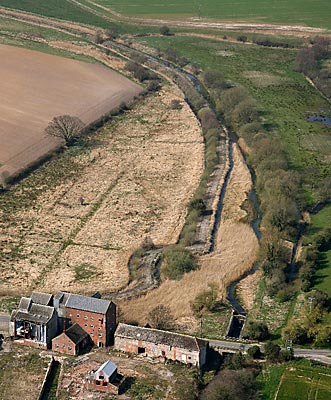
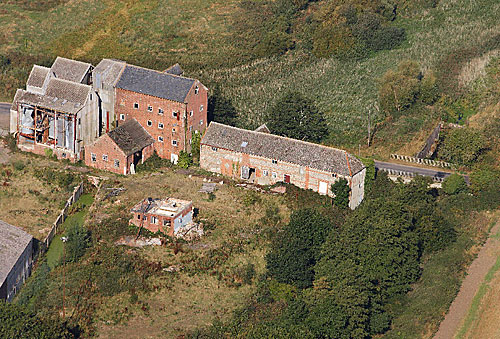
Ebridge Mill
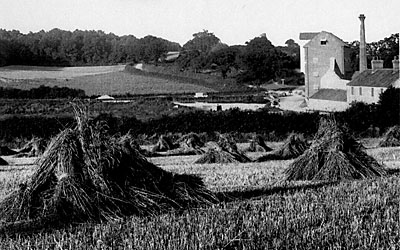
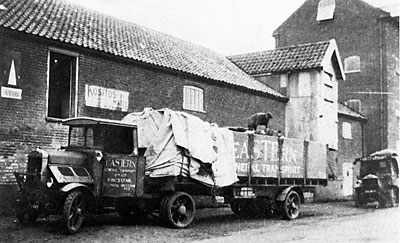
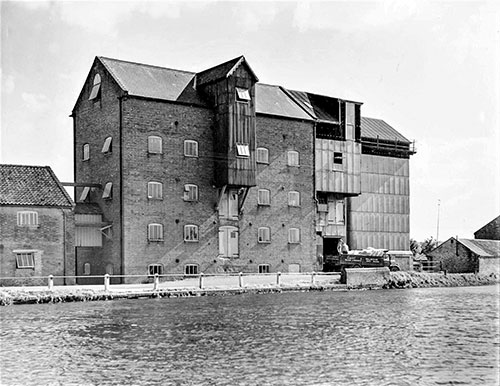
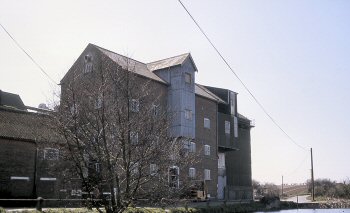
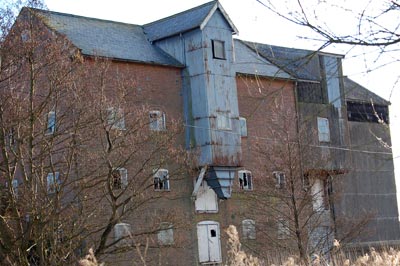
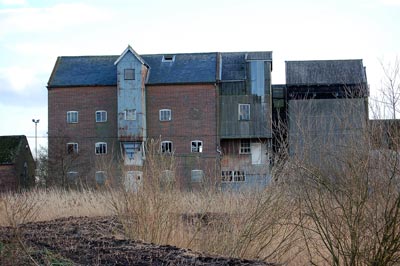
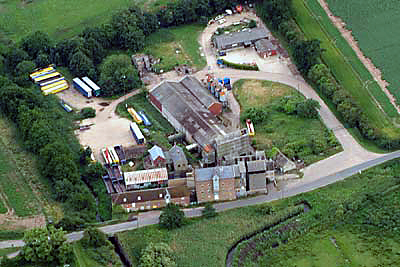
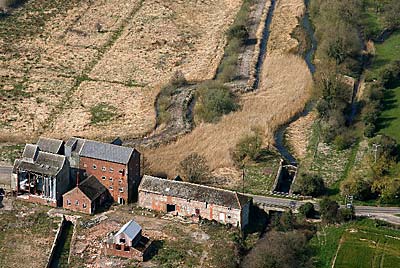
was also sometimes known as North Walsham Mill. The old mill was 5 storeys high
and built of red brick with a slate roof. The mill was built over the River Ant, which later became the North Walsham & Dilham Canal. |
 |
 |
|
1910
|
c.1915 |
Royal Exchange Fire Insurance policy 119625 |
William Partridge of N. Walsham in the County of Norfolk, Miller. On Furniture in his Dwelling House brick built and tiled situate in North Walsham aforesaid - £50. On Utensils & Trade in his Water Mill adjoining timber built - £50. 19th January 1791 |
|
During the 1800s Ebridge mill was worked in conjunction with the nearby Ebridge towermill on Mill Hill. |
|
On 7th June 1804 it was reported - |
 |
 |
|
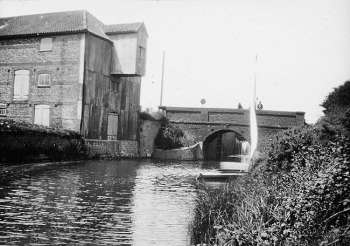
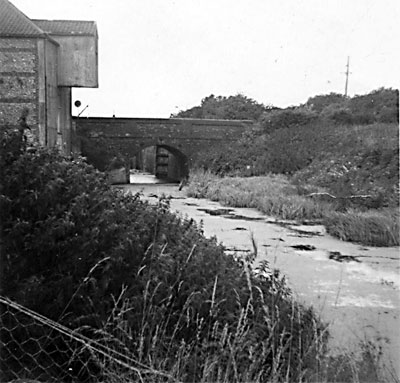
The old bridge with the lock beyond in 1928 |
c.1955 |
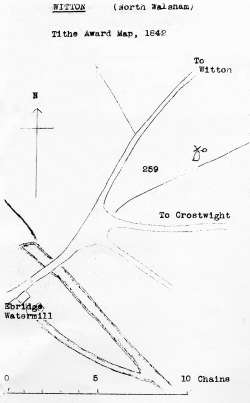 |
Tithe Award map 1842 |
Tithe Award 1842 |
||
| No. 259: Wind Mill Hill & Premises. Pasture | . | |
Furze |
5a. 1r. 3p. |
2s. 4d. |
Part of |
91a. 1r. 19p. |
£4. 6s. 5d. Vicar |
1a. 0r. 7p. |
£9. 18s. 0d. Imp. Rector |
|
| Shown as tower or smock mill with stage & fantail |
 |
 |
|
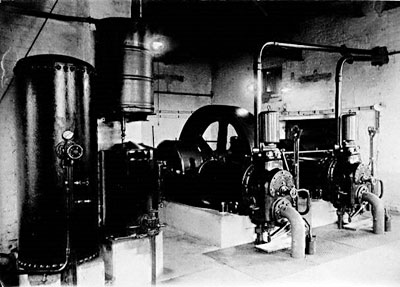
Main engine c.1940
|
|
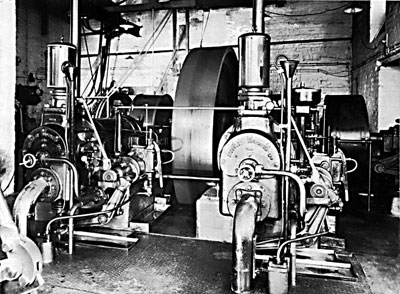 |
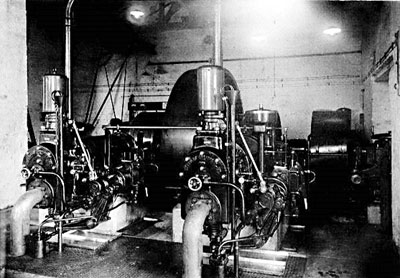
Main engine c.1940 |
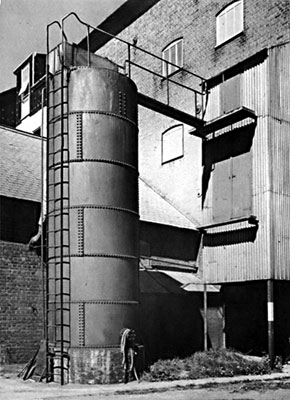 |
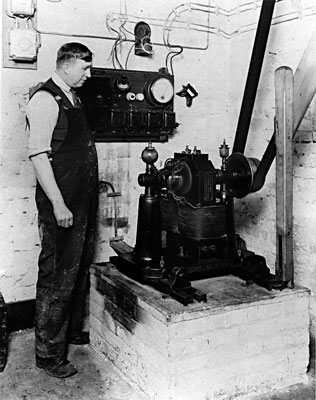 |
Storage bin c.1940 |
Small engine c.1940 |
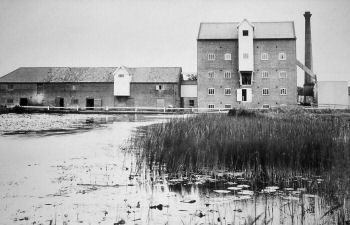 |
c.1940 still with steam chimney |
 |
|
c.1950
|
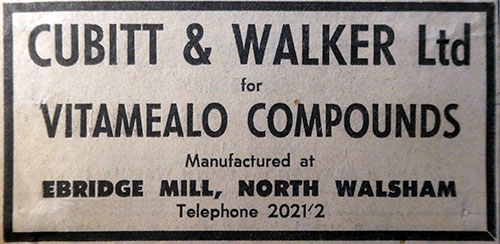 |
Eastern Daily Press advert c.1967 |
 |
|
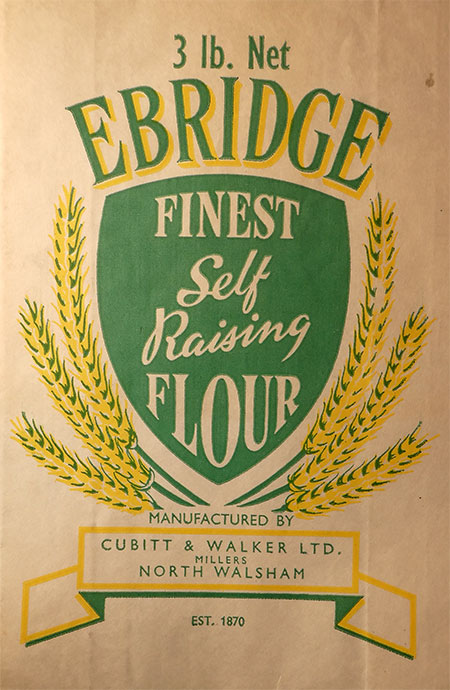
Flour bag c.1967 |
 |
|
May 1967 |
|
NORTH WALSHAM & WITTON |
NORTH WALSHAM & WITTON To be Sold by Private Contract Water Corn Mill with Dwelling House attached Brick Tower Wind-mill etc. Late the Estate of Mr. William PARTRIDGE deceased Water Mill ... North Walsham ... Also a BRICK TOWER WINDMILL with patent sails and cast iron shaft built only a few years since of the best materials on a lofty hill within 100 yards of the Water Mill. This Mill drives two pair of French Stones, contains four floors and is in every respect fitted up and adapted for occupation with the Water Mill. Dwelling house, Land etc. ... Of this Estate 1a. 1r. 2p. with the barn, principal granary and other Buildings standing thereon are Freehold. 5a. 1r. 5p. with the Windmill standing thereon are held under a lease for 21 years granted by the Rt. Hon. Lord Wodehouse and others to the deceased on 6th April 1832 in which the lease is contained a covenant by the lessors allowing the lessee to remove the mill at any time before the expiration of the term. Outgoings - Reserved annual rent to Lord Wodehouse £3. The residue of the Estate ... lease ... 21 years ... Bishop of Norwich to deceased on the 18th day of September 1837. Apply to G. Wilkinson, Solr. North Walsham. Norfolk Chronicle - 28th September & 5th October 1844 |
To Millers & others NORTH WALSHAM & WITTON in Norfolk Messrs. BARCHAM & SON will offer for Sale by Auction on Wednesday 2 June 1847 at 3 o'c at the Kings Arms Inn, North Walsham A superior Water Corn Mill with Dwelling House attached, a Brick Tower Windmill etc. situate in North Walsham and Witton aforesaid Late the Estate of Mr. William PARTRIDGE deceased. The Estate comprises A superior and highly reputed WATER CORN Mill ... late in the occupation of the deceased Proprietor and now in the occupation of his Son, Mr. William PARTRIDGE .... Also a capital Brick Tower Windmill with patent sails and cast iron shaft built only a few years since of the best materials, on a lofty hill within 100 yards of the water mill. This Mill drives two pair of French Stones, contains 4 floors and is in every respect fitted up and adapted for occupation with the Water Mill. ... Also a fine piece of land on which the Windmill stands containing by admeasurement 5a. 1r. 5p. more or less ... held under a lease for 21 years granted by the Rt. Hon. Lord WODEHOUSE and others to the late proprietor on the 6th April 1832 in which lease is contained a covenant by the lessors allowing the lessee to remove the mill at any time before the expiration of the term. Outgoings - Reserved annual rent to Lord WODEHOUSE £3. Norfolk Chronicle - 15th & 22nd May 1847 |
EDBRIDGE MILLS,
NORTH WALSHAM Messrs. Cubbitt and Walker beg to respectfully inform the PUBLIC they have ENTERED INTO PARTNERSHIP, and commenced business at the above Mills, and intend carrying on the Coal, Coke, Corn and Seed trade in all its branches. Norwich Mercury - 23rd October 1869 |
A GOOD FOREMAN Wanted in a Flour Mill and Corn Merchant's Business, to take in Corn and see after deliveries. Good wages given to a trustworthy competent person; House and Garden found. Preference given to a Married man with Small Family. Address, Cubbitt & Walkr, North Walsham. Norfolk News - 30th November 1872 |
OUTING NORTH WALSHAM |
The members of the Church choir had their annual, trip on the water on Wednesday last. The party, which was accompanied by Mr George WALKER, reached Brundall shortly after ten and proceeded on board a wherry yacht, the property of Messrs. Cubitt & Walker of this town, to Cantly, where they stopped and dined. After dinner, they proceeded to Yarmouth, and after having tea they landed and returned home by the last train, all having thoroughly enjoyed themselves. Lowestoft Journal - 2nd August 1884 |
 |
|
1977
|
|
The North Walsham & Dilham Canal |
| This was the
only official canal in Norfolk and was really the canalisation of the River
Ant. It was made wider than most other canals in order to accommodate Norfolk
wherries. The main cargoes were offal to the two Antingham
Bone mills with return loads of fertiliser. Corn and flour moved in
and out of Bacton Wood and Swafield
mills with other commodities such as timber, farm produce and coal making
up the majority of the remainder of trade. It was hoped that coal would
be the mainstay cargo but this never materialised. The canal was just over
8¾ miles long, ran from Smallburgh to Antingham and contained 6 locks:
Honing, Briggate mill, Ebridge mill, Bacton
Wood mill, Swafield lower and Swafield
Upper. 1812: Act of Parliament passed authorising construction of the canal July 1826: Canal opened having cost £32,000 to build 1885: Ailing canal sold for £600 but the company's London solicitor absconded with the money 1886: Scheme introduced to encourage tourist traffic c.1893: Antingham - Swafield section abandoned because of lack of traffic 1934: The wherry Ella, sailed from Bacton Wood Staithe for the last time 2003: Canal navigable for the first 2 miles as far as Honing Lock |
 |
 |
|
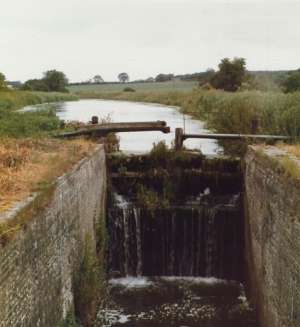
Ebridge
lock long unused by 1977
|
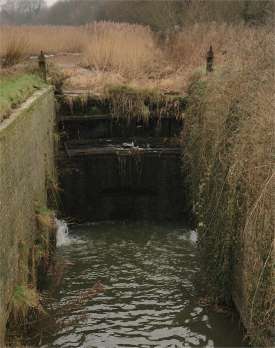
Overgrown
canal 12th January 2003 |
|
The waterwheel has not been used since about 1920 and was taken out in 1972. |
 |
|
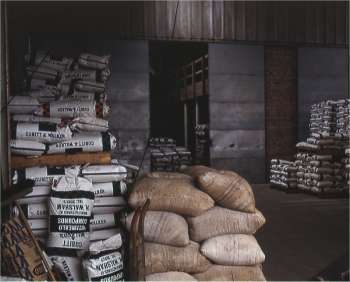
Warehouse in May 1967
|
|
A Wherryman and his Family |
|
My mother should have been christened Lewell Jane, but unfortunately my grandfather had the birth certificate made out wrongly so that she became Jane Lewell. The unfeminine Lewell came from her grandfather, well known as Old Lew from Yarmouth harbour up the Yare, Bure and Ant to the flour-mills on the North Walsham and Dilham Canal. He was a wherry-man on one of the fleet of fourteen moored on Barton Broad and belonging to the Hewitts of Wayford Bridge. Every Monday he sailed for Yarmouth Docks, arriving home on Saturday with a load of corn for the Briggate and Ebridge Mills. * * * My grandfather, Edwin, used to accompany his father during the school holidays and he remembered the pork, butter and so on being kept up one corner of the tiny cabin on the wherry and how they "used to get pretty strong by the end of the week". Up another corner was the stove with the big iron saucepan in which all the cooking was done, always kept scrupulously clean. A few years ago this was still lying, neglected and rusty, in the back of the shed at my mother's old home at Briggate. * * * Sunday was spent mainly at the Baptist Chapel at Meeting Hill, starting with Sunday School at 9.0 a.m. Since the boys had no special Sunday boots they had laboriously to polish their weekday pair with the aid of a rabbit's foot and plenty of dubbin and they would smooth their hair to Sabbath neatness with water from the large butt by the back door. * * * * * * His favourite story was of a couple living in a lonely cottage on the river bank. One wild winter night the wife was in labour while her husband lay calmly asleep. She woke him to say that a baby was born and she was fine. He went off to sleep till she woke him again with the same message. Then, when a third baby arrived, he finally woke up properly saying "I'd better get up out of this afore you have any more of these." Another of Lew's brothers, Tom, led a very different sort of life. He emigrated to America in the 1880s with his young wife and family and bought a farm at Fowlerville, Michigan where he lived in a log-house he built in a clearing. To make extra money in the early days he sometimes drove the local stagecoach along the old plank road. Through this he later met and became a friend of the great Henry Ford, who had purchased one of the old taverns on the stage-coach route and wanted some advice on restoring it. In 1927 he celebrated his 100th birthday with a large family party at which five generations were represented. By the side of his three-storey cake was a tiny one bearing a lonely pink candle marking the first birthday of his youngest great-great-grandchild. As he had promised a year before, Henry Ford sent along an aeroplane, and Tom, white whiskers flying in the wind, went for a ride in the air, the first in all his life. He said afterwards that if he were young again he'd be running a 'plane. It is not recorded if he ever did any sailing, but he does not seem to have lacked any of the spirit and courage of his brothers. * * * All my family are known to be "mad about the water" and
although the corn comes to the mills by lorry now and only a stream winds
in the course of the old canal, the great-granddaughter of Old Lew still
goes sailing, albeit in a tiny Firefly on a factory-encircled London reservoir. |
|
Lewel Roper, known by many as Old Lew was born on 3rd June 1840 at Worstead and he married Jane Flaxman on 6th February 1863 at Meeting Hill. They had ten or possibly eleven children. Lew was a wherryman and sailed the rivers of the broads. He died on the night 9th January 1888, on the River Yare at Yarmouth, when he slipped off the gang plank and was sucked under the wherry by the tide. One of Lew's sons was Edwin Samuel Roper who was born on 6th July 1867. Edwin became a miller and was also a wherryman. He married Mary Jane Burton-Pye on 28th April 1892. They went on to have six children. Edwin and Mary's eldest was Edwin Thomas (Tom), who was born on 30th November 1893 at Worstead. Tom married Edith Rous(e) on 4th August 1919, after which they had five children. Tom worked as a miller at Ebridge mill. Tom was my husband's Grandfather. We were married in 1968 and in March
of that year we went to visit them. However, our first visit to Tom and
Edith as a family was on August 4th 1969. This was their Golden wedding
anniversary and all the family met up to celebrate. It was a beautiful
day and the family had prepared the feast for them and the 'do' was held
in the school room. On this visit Tom's hens had all laid double yolkers
and he swore blind that it was the influence of a pretty young girl feeding
them. |
 |
|
15th April 1983
|
|
On 15th March 1969 a fire in a silo intake was put out by a fire appliance from North Walsham. |
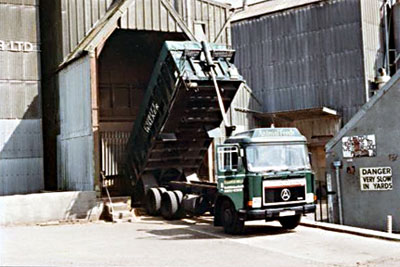 |
Unloading - 1992 |
 |
 |
|
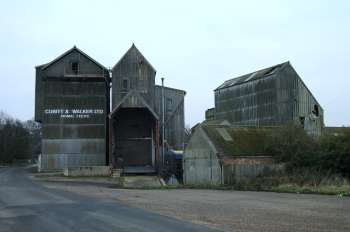
Loading bay 12th January 2003
|
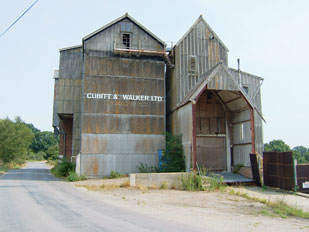
Loading bay 27th July 2006 |
 |
 |
12th January 2003 |
Missing lucum 12th January 2003 |
Memories of Ebridge Mill |
Michael Willis was born in 1939 at Briggate. He worked full-time at Briggate_mill for a few years around 1958/9 but his memories of the mill go back to his early childhood. Later Michael went on to work at Ebridge mill. |
 |
 |
27th July 2006 |
Missing lucum 27th July 2006 |
 |
 |
2nd March 2007 |
2nd March 2007 |
 |
 |
|
30th June 2004
|
5th April 2007 |
 |
 |
5th April 2007 |
27th September 2009 |
George Youngman was listed as a journeyman miller on the 1841 census. He was the son of Isaac Youngman who ran the Yarmouth Road towermill in North Walsham. George Youngman later moved on to run Witton postmill. |
 |
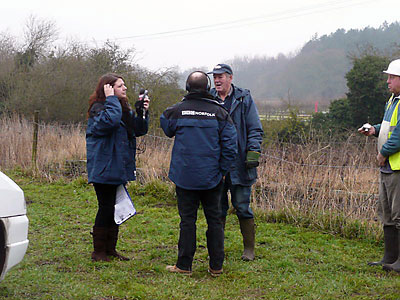 |
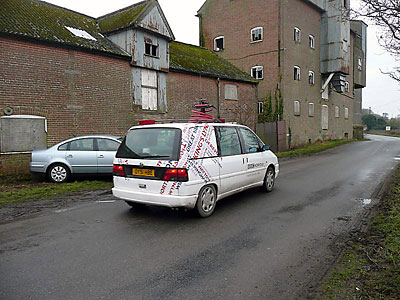
Radio Norfolk Treasure Quest - Beckie Betts with driver Ian Forster talking to David Revill work party leader of the East Anglian Waterways Association and North Walsham & Dilham Canal Trust. |
|
 |
 |
|
7th March 2011 |
13th December 2012 |
 |
 |
|
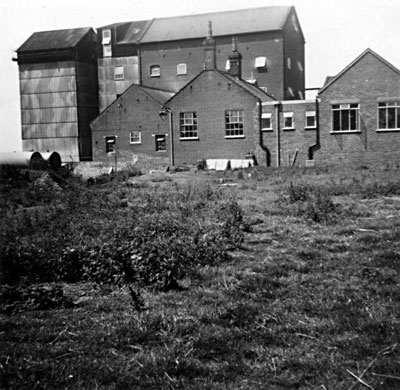
Mill rear with WWII camouflage c.1955 |
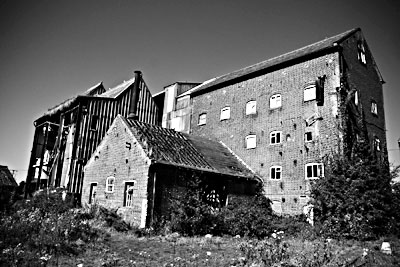
Mill rear 9th September 2012 |
 |
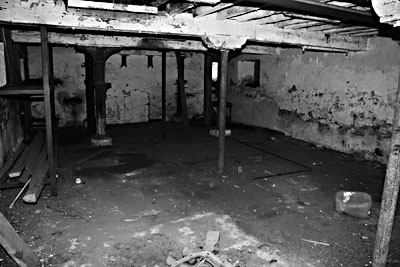 |
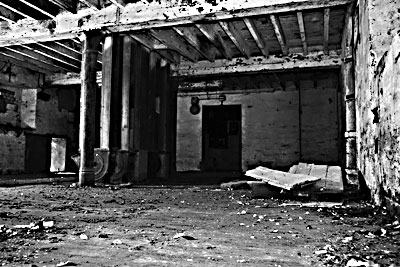
Mill interior 9th September 2012 |
|
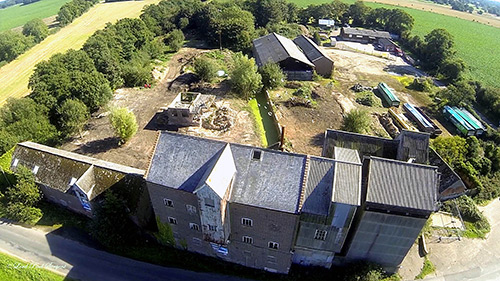
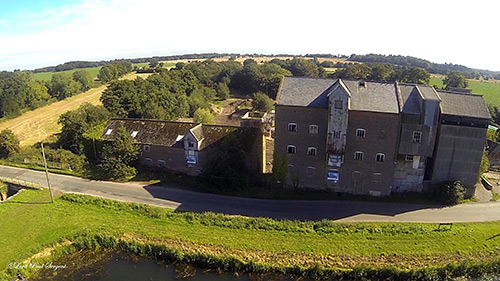
Plans for Ebridge Mill |
A planning application asking for Ebridge Mill to be converted into mostly residential accommodation has been submitted to North Norfolk District Council. |
 |
 |
August 2014 |
|
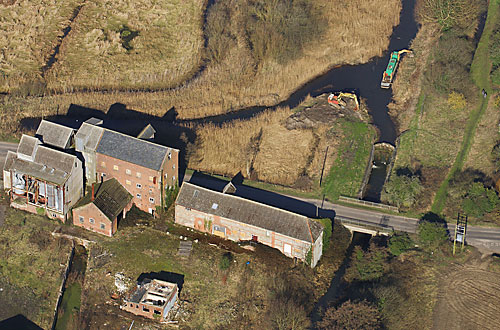
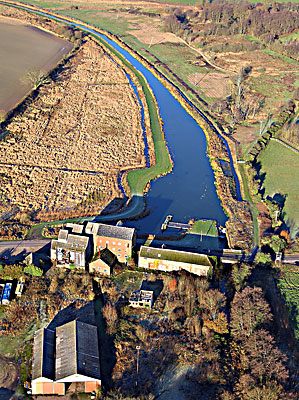
Historic waterside mill near North Walsham being converted into homes |
Ebridge Mill which is on Happisburgh Road, White Horse Common near North Walsham, is being renovated. |
Before and after: Couple transform historic water mill into luxury home |
Gail and Steve Philpott saw work being done on Ebridge Mill, at White House Common, near North Walsham, one day while driving past and after talking to the developer, made a purchase a few days later. |
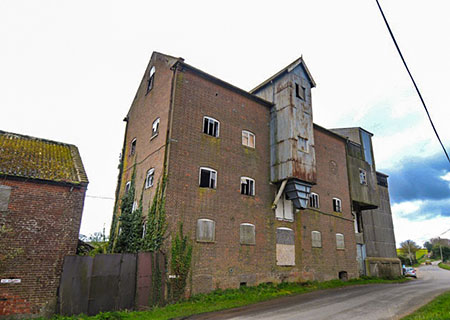 Ebridge Mill before conversion - 2015 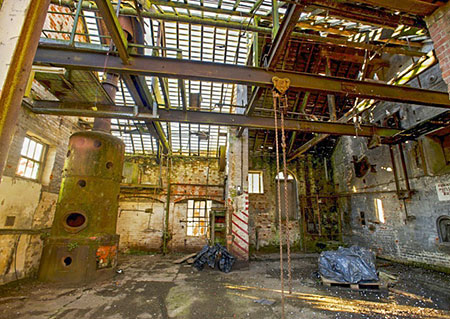 Mill boiler room - 2015 |
Cubitts, belonging to the Philpotts, is the latest to be finished and following their stylish makeover, is now available to rent as a holiday home with the firm Norfolk Cottages for £1,042-£1,952 a week. |
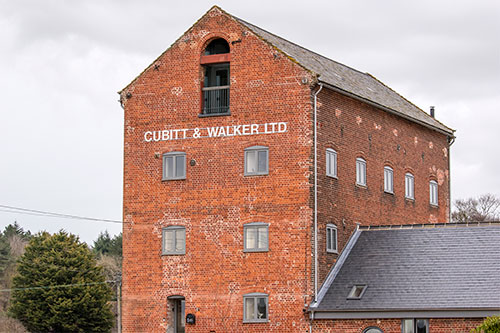 |
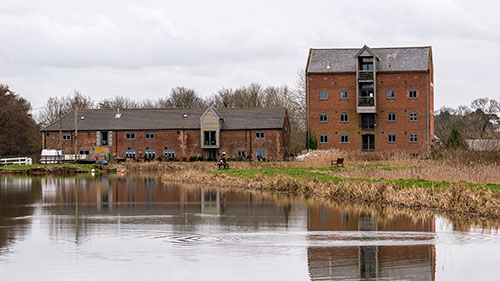 |
25th February 2021 |
|
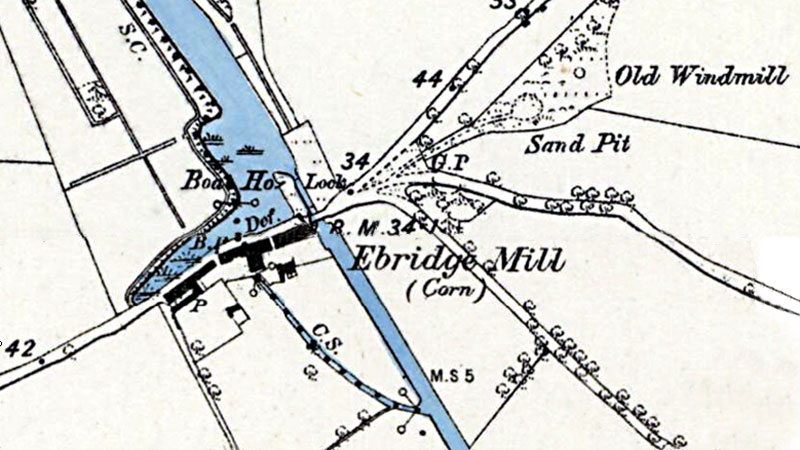 |
O. S. Map 1885 |
 |
|
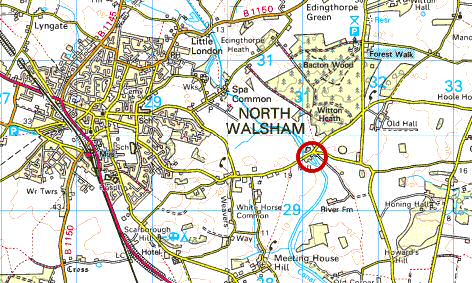
O.S. Map 2005 Image reproduced under licence from Ordnance Survey |
| 1537: Everbupe's watermill let to William Hogan for £4.13s.4d. by the Bishop of Norwich also Swafield mill North Walsham index of wills 1602: Leonard Skift North Walsham index of wills 1709: Francis Brereton
Faden's map 1797: Eastgate Mill 7th June 1804: Mr Partidge warter mill Burnt down the Loss Computed to be £1800 1815: William Partridge snr., miller 1822: William Partridge snr., miller Bryant's map 1826: Walsham Mill 1830: William Partridge snr., miller O.S. Map 1st Edition 1834: Ebridge Mill White's 1836: William Partridge, corn miller Ebridge Mill 1839: William Partridge snr., miller
1841: William Partridge snr died September 1841: Mill advertised for sale by auction with windmill due to the death of William Partridge Tithe Award 1842: William Partridge jnr (surveyed in 1841) September 1844: Mill advertised for sale by private contract with windmill due to death of William Partridge White's 1845: William Partridge, corn miller Ebridge Mill 1847: William Partridge jnr. miller May 1847: Mill advertised for sale by auction 1850: William Partridge jnr., miller White's 1854: William Partridge, corn miller Ebridge mills Kelly's 1854: William Partridge, miller & corn dealer, Ebridge Mill Craven's 1856: Beevor & Press, millers 1858: William Beevor & Edward Press, millers
White's 1864: Beevor & Press, corn millers & flour dealers (and merchants) Ebridge mills October 1869: William Partridge Cubbitt (51) farmer, and George Walker (27) merchant, went into partnership 1874: Edward Press, miller established a boatyard and acquired 5 wherries including some for passengers
Kelly's 1883: Cubitt & Walker
Kelly's 1929: Cubitt & Walker
2003: TR Transport |
| If you have any memories, anecdotes or photos please let us know and we may be able to use them to update the site. By all means telephone 07836 675369 or |
| Nat Grid Ref TG 31072971 | Copyright © Jonathan Neville 2004 |